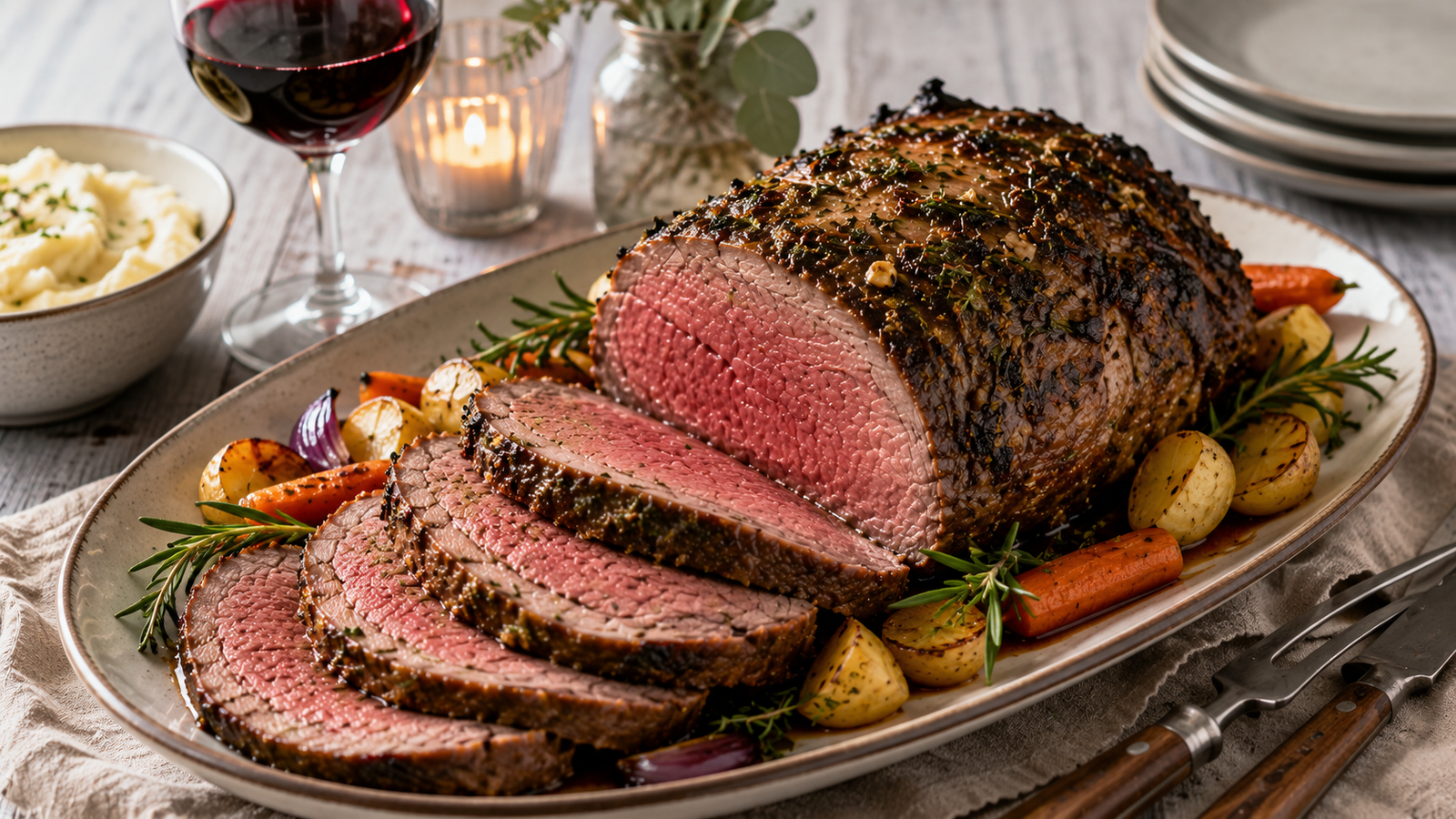
Roasted beef is a timeless centrepiece for Sunday lunches, family gatherings and special occasions. A good roast combines tender, flavourful beef with a fragrant herb crust and a rich sauce that brings everything together.
This roasted beef recipe uses ribeye or sirloin seasoned with fresh rosemary, thyme, garlic, olive oil, salt and black pepper. The beef is roasted at a high temperature initially to encourage browning, then cooked at a lower temperature to help it cook more evenly.
To finish, the roasting pan is used to prepare a simple red wine jus with beef stock and butter. The result is a delicious sauce that complements the savoury herbs and natural flavour of the beef. Serve it with roasted vegetables, creamy mashed potatoes or traditional Yorkshire puddings for a satisfying meal.
Remove the beef from the refrigerator while preparing the herb mixture, but do not leave it at room temperature for an extended period.
Make the herb paste:
In a small bowl, combine the olive oil, chopped rosemary, thyme, minced garlic, salt, and black pepper.
Mix until the ingredients form a fragrant paste.
Season the beef:
Pat the beef dry with paper towels.
Rub the herb mixture evenly over the entire surface of the roast.
Start roasting:
Place the beef in a roasting pan, fat-side up if applicable.
Roast uncovered at 220°C for 15 minutes to encourage browning.
Reduce the temperature:
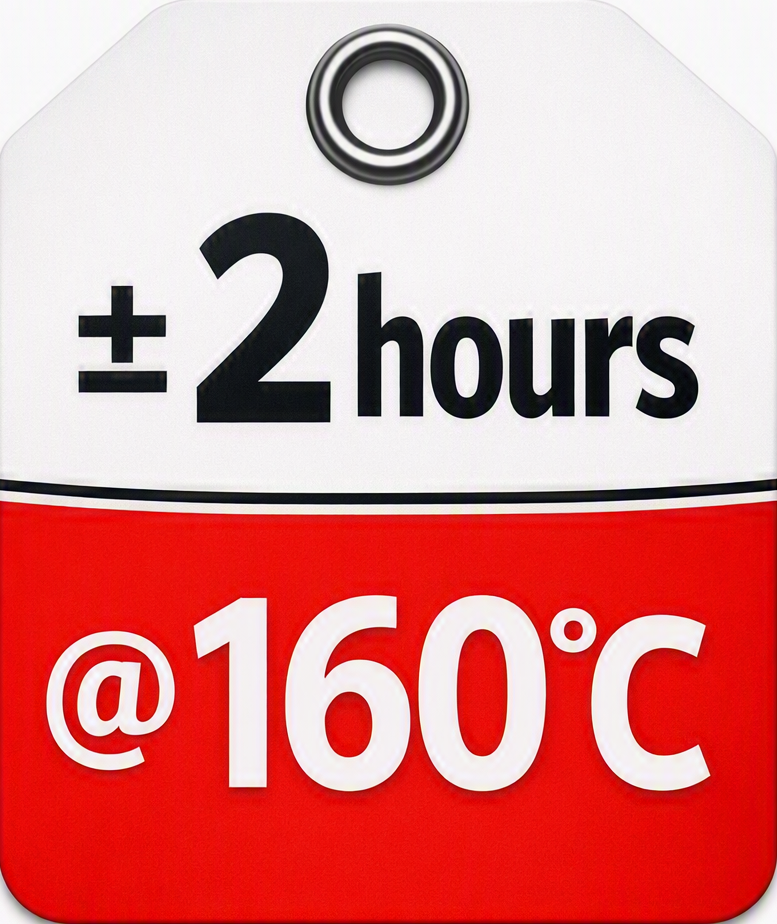
Lower the oven temperature to 160°C and continue roasting.
Begin checking the internal temperature before the expected cooking time has elapsed.
Cooking time will depend on the cut and thickness of the beef.
Check doneness:
Insert a meat thermometer into the thickest part of the roast, avoiding bone or large pockets of fat.
For food safety, whole cuts of beef should reach at least 63°C and rest for at least 3 minutes.
If you prefer your beef more thoroughly cooked, continue roasting to your desired temperature.
Follow local food-safety guidance, particularly when serving people at higher risk of foodborne illness.
Rest the beef:
Transfer the roast to a clean carving board and cover loosely with foil.
Rest for approximately 20 minutes before slicing.
Resting helps the juices redistribute and makes carving easier.
Prepare the red wine jus:
While the beef rests, carefully pour off excess fat from the roasting pan, leaving the browned bits behind.
Place the pan over medium heat if it is suitable for stovetop use, or transfer the browned bits and juices to a saucepan.
Deglaze the pan:
Pour in the red wine and scrape up the browned bits with a wooden spoon.
Allow the wine to simmer for a few minutes to reduce slightly.
Add the beef stock:
Pour in the beef stock and simmer until the liquid reduces to a flavourful sauce.
Taste and adjust the seasoning if necessary.
Finish the sauce:
Remove the pan from the heat and whisk in the butter until melted.
This gives the jus a smooth, glossy finish.
Slice and serve:
Carve the beef across the grain into slices.
Arrange on a serving platter and drizzle with some of the red wine jus, serving the remainder alongside.
This recipe balances a fragrant herb crust with a silky red wine jus, making it perfect for festive dinners or Sunday roasts. 😊
Here are some inspired uses and pairings:
Why You’ll Love This Roasted Beef Recipe
Rich, savoury flavour: Rosemary, thyme and garlic complement the natural taste of the beef.
A delicious homemade sauce: The red wine jus uses the browned bits from roasting to create extra depth of flavour.
Perfect for sharing: A 1.5 kg roast makes a generous centrepiece for a family meal.
Versatile serving options: Pair it with traditional roast dinner sides or use the leftovers in sandwiches and wraps.
Suitable for special occasions: The attractive herb crust and glossy jus make the dish feel special without requiring complicated techniques.
Tips for the Best Roasted Beef
Choose the right cut: Ribeye is well marbled and tends to be rich and juicy, while sirloin offers a meaty flavour and slices neatly. Choose a roast intended for oven roasting.
Dry the surface: Patting the beef dry before seasoning helps it brown more effectively.
Season evenly: Cover the entire surface with the herb paste so every slice has plenty of flavour.
Use a meat thermometer: Oven times are estimates. Measuring the internal temperature is the best way to monitor doneness accurately.
Avoid cutting too soon: Resting the roast for around 20 minutes makes it easier to carve and helps retain its juices.
Slice across the grain: Look for the direction of the muscle fibres and cut across them to help make each slice more tender.
Reduce the jus gradually: Allow the wine and stock to simmer until the sauce develops a more concentrated flavour. Avoid boiling it too aggressively.
Choose a suitable wine: A dry red wine such as Cabernet Sauvignon, Merlot or Shiraz works well. Use a wine you enjoy drinking.
Keep the herbs fresh: Fresh rosemary and thyme give the herb crust a fragrant flavour, but dried herbs can be used in smaller quantities if necessary.
Save the pan juices: The browned bits and juices left in the roasting pan are valuable sources of flavour for the sauce.
Storage and Reheating
Store leftover roasted beef safely to preserve its flavour and texture.
Refrigeration: Place leftovers in a shallow, covered container and refrigerate within 2 hours of cooking. Use within 3–4 days.
Freezing: Freeze cooled beef in airtight, freezer-safe packaging for best quality for around 2–3 months. Store the jus separately if possible.
Reheating: Reheat slices with a little jus or beef stock in a covered pan over low heat, or in the microwave in short intervals. Reheat leftovers to 74°C throughout.
Avoid drying out the beef: Add a little liquid and heat gently rather than cooking the slices for too long.
Using cold leftovers: Thinly sliced cold roast beef is delicious in sandwiches and salads, provided it has been stored and handled safely.
🥔 Comforting & Classic
Garlic Mashed Potatoes: Creamy, buttery mash to soak up the jus.
Yorkshire Puddings: Traditional pairing with roast beef, perfect for catching drippings.
Roasted Root Vegetables: Carrots, parsnips, and beets caramelized to echo the beef’s richness.
🥗 Fresh & Bright
Arugula Salad: Peppery greens with lemon vinaigrette to cut through the richness.
Green Beans Almondine: Crisp beans with toasted almonds for texture.
Radicchio & Orange Salad: Bitter-sweet balance that complements the jus.
Buttermilk Biscuits: Golden, flaky accompaniment with a Southern twist.
🍷 Drinks & Atmosphere
Cabernet Sauvignon: Bold red wine to match the jus.
Malbec: Fruity, full-bodied option.
Sparkling Water with Lemon: Keeps the palate refreshed.
Here are some fun variations to experiment with for your Roasted Beef recipe:
Variations
🌿 Flavor Twists
Garlic mustard crust: Mix Dijon mustard with garlic and herbs for a tangy crust.
Coffee rub: Add ground coffee and brown sugar for smoky depth.
Spiced beef: Use cumin, coriander, and paprika for warmth.
Citrus herb crust: Add orange or lemon zest to the herb paste.
🍯 Sweet-Savory Experiments
Maple glaze: Brush with maple syrup during roasting for caramelized notes.
Red wine reduction: Intensify the jus with balsamic vinegar or port wine.
Honey garlic beef: Add honey and soy sauce for a sweet-savory glaze.
Berry jus: Reduce beef stock with cranberries or blackberries for a fruity sauce.
🌍 Fusion Ideas
Italian-style roast: Add oregano, basil, and serve with polenta.
French-inspired roast: Use herbes de Provence and serve with gratin dauphinois.
Asian twist: Glaze with soy, ginger, and sesame oil.
South African vibe: Pair with chakalaka or baste with apricot jam.
🍽 Serving Ideas
Present on a wooden carving board with rosemary sprigs.
Offer as part of a holiday feast with roasted vegetables.
Serve in thin slices with mini Yorkshire puddings.
Plate with microgreens, edible flowers, or citrus curls for storytelling flair.
Final Thoughts
This herb-crusted roasted beef with red wine jus is a satisfying centrepiece for a family Sunday lunch, a festive gathering or any meal worth celebrating. Rosemary, thyme and garlic create a fragrant crust, while the rich sauce makes every slice even more delicious.
Serve it with Yorkshire puddings, roasted vegetables, potatoes and your favourite sides for a classic roast dinner. With a reliable meat thermometer, a little resting time and a simple homemade jus, you can prepare a roast that feels special without making the process unnecessarily complicated.
Frequently Asked Questions
1. Which cut of beef is best for roasting?
Ribeye and sirloin are good options for a flavourful roast. Ribeye generally has more marbling, while sirloin offers a firmer texture and is easy to carve into neat slices.
2. How do I keep roasted beef tender?
Choose a suitable roasting cut, avoid overcooking it, use a meat thermometer and allow it to rest before slicing. Cutting across the grain also helps make the slices easier to chew.
3. Can I make roasted beef without red wine?
Yes. Replace the red wine with additional beef stock. A small splash of balsamic vinegar can add complexity, but use it sparingly so it does not overpower the sauce.
4. How do I know when the beef is cooked?
Use a meat thermometer inserted into the thickest part of the roast. For whole cuts of beef, the food-safety recommendation is at least 63°C followed by a minimum 3-minute rest. Cooking to a higher temperature will produce more thoroughly cooked beef.
5. Can I prepare the herb paste ahead of time?
Yes. Mix the herbs, garlic, oil and seasoning a few hours ahead and refrigerate in a covered container. Apply it to the beef shortly before roasting.
6. Why should I rest the beef before carving?
Resting allows the temperature to even out and helps the juices redistribute. It also makes carving easier and can improve the texture of the finished slices.
7. Can I make the red wine jus ahead of time?
You can prepare the sauce ahead and refrigerate it separately. Reheat it gently before serving, adding a little stock if it has become too thick. For the freshest flavour, finish with the butter just before serving.