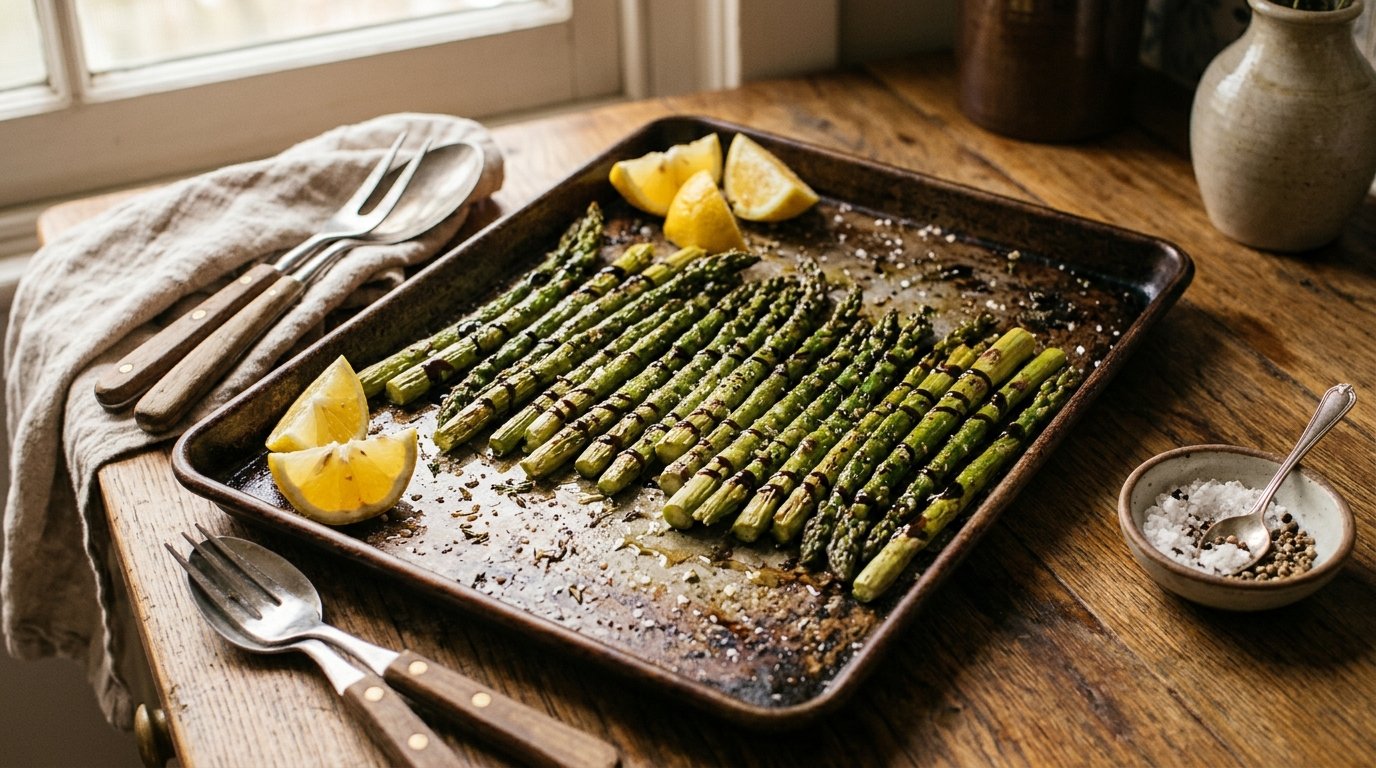
Roasted asparagus is a simple yet elegant side dish that brings out the natural flavour of this delicious green vegetable. A quick toss in olive oil, salt and black pepper is all you need to create tender spears with lightly caramelised edges and beautifully crisp tips.
Roasting asparagus at a high temperature helps concentrate its natural sweetness while giving it a slightly nutty, earthy flavour. A little lemon zest, garlic, chilli flakes or grated Parmesan can add an extra layer of flavour, making it easy to customise to suit your meal.
Ready in approximately 20 minutes, this roasted asparagus is perfect for busy weeknight dinners, special occasions and weekend braais. Serve it alongside grilled meat, fish or chicken, or add it to salads, pasta dishes and grain bowls for a fresh, colourful touch.
Naturally vegetarian: A delicious vegetable side that can easily be adapted to suit different dietary preferences.
A Little About Roasted Asparagus
Asparagus is a spring vegetable known for its delicate flavour and tender texture. It can be steamed, grilled, sautéed or roasted, but roasting is particularly good at bringing out its natural sweetness.
When exposed to high heat, the outer edges develop a light caramelisation while the inside remains tender. Thinner spears cook quickly, while thicker ones need a few extra minutes.
The key is to avoid overcooking. Properly roasted asparagus should retain a little bite rather than becoming limp or mushy.
Tips for the Best Roasted Asparagus
Choose fresh asparagus: Look for firm, bright green spears with tightly closed tips. Avoid bunches with limp stalks or dry ends.
Trim the woody ends: The bottom of asparagus can be tough and fibrous. Remove the woody section before roasting.
Dry thoroughly: Excess water can prevent proper browning, so pat the asparagus dry after washing.
Use enough olive oil: A light coating helps the asparagus roast evenly and develop a delicious finish.
Don’t overcrowd the tray: Arrange the spears in a single layer with space between them to encourage roasting rather than steaming.
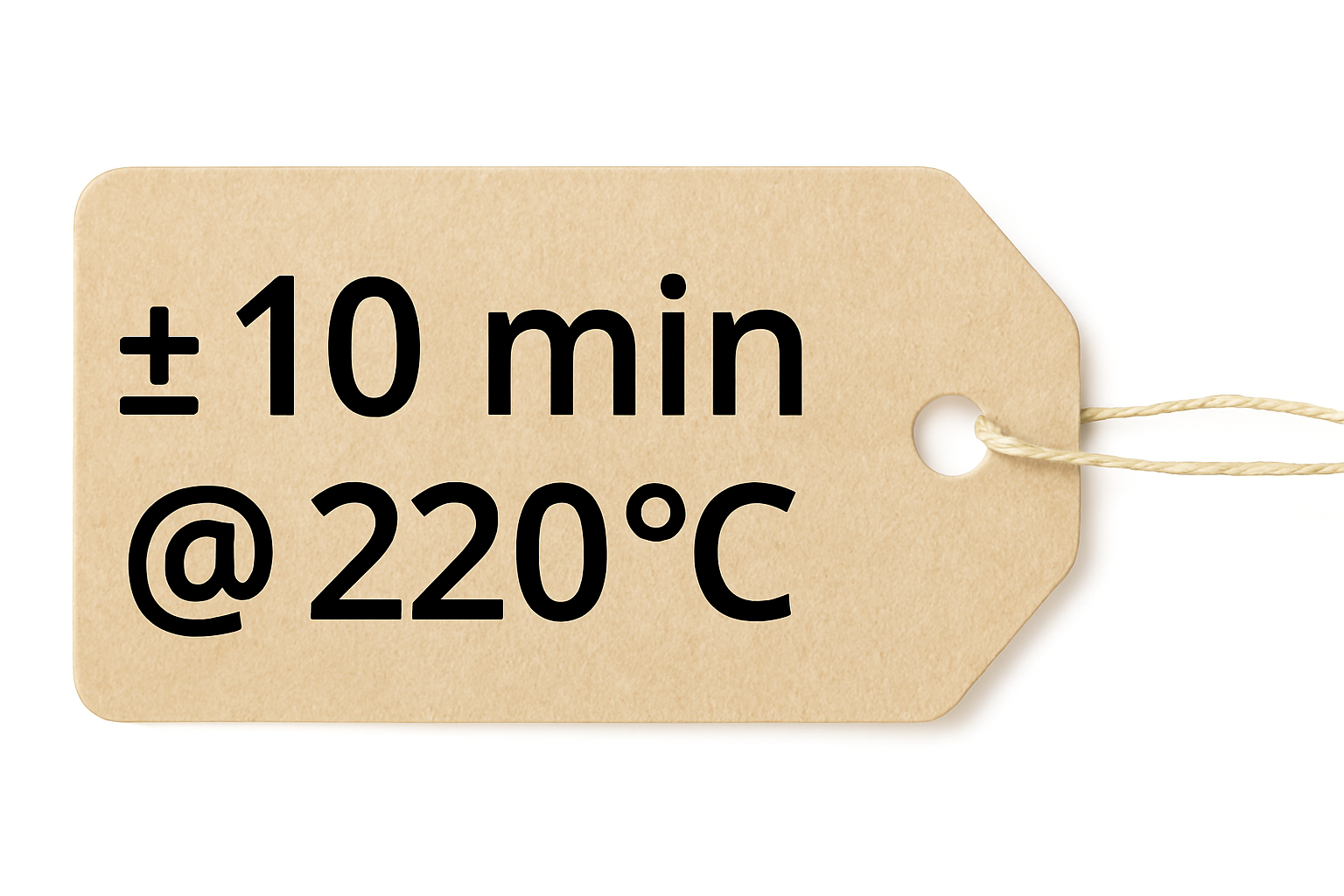
Adjust the cooking time: Thin asparagus may need only 8–10 minutes, while thicker spears may require 12–15 minutes or slightly longer.
Watch the tips: The delicate tips can brown quickly, so check the asparagus towards the end of cooking.
Add Parmesan at the end: Adding the cheese during the final minutes or immediately after roasting helps prevent it from becoming overly browned.
Finish with lemon: A little fresh lemon juice brightens the flavour and balances the natural earthiness.
Uses for Roasted Asparagus
Roasted asparagus is wonderfully versatile and can be used in many different meals beyond a traditional vegetable side dish.
Grain bowls: Add to quinoa, couscous, farro or wild rice bowls with roasted vegetables and a light dressing.
Sandwiches and wraps: Layer into sandwiches with hummus, pesto, goat’s cheese or grilled vegetables.
Fresh salads: Chop into smaller pieces and toss with leafy greens, citrus, toasted nuts and soft cheese.
Breakfast and brunch: Serve alongside poached eggs, scrambled eggs or an omelette.
Pasta dishes: Toss with pasta, garlic, lemon and Parmesan for a fresh, simple meal.
Risotto: Fold into mushroom or Parmesan risotto just before serving.
Appetisers: Wrap individual spears in prosciutto or smoked salmon for an elegant starter.
Asparagus pesto: Blend leftover roasted asparagus with olive oil, nuts, garlic and Parmesan for a delicious alternative pesto.
Storage and Reheating
Roasted asparagus is best enjoyed freshly made, when the spears are tender and the edges are lightly crisp. However, leftovers can be stored and enjoyed later.
Refrigeration: Allow the asparagus to cool, then transfer it to an airtight container and refrigerate within 2 hours of cooking.
Storage time: Use refrigerated leftovers within 3–4 days.
Reheating in the oven: Place on a baking tray and warm at 180°C for approximately 5–7 minutes.
Reheating in a frying pan: Warm gently in a lightly oiled pan until heated through.
Microwave: Reheat in short intervals, although the asparagus may become softer.
Freezing: Freezing is not recommended if you want to preserve the original crisp-tender texture. Thawed asparagus tends to become softer.
What to Serve with Roasted Asparagus
The fresh, earthy flavour of roasted asparagus makes it an excellent companion to a variety of main dishes and sauces.
Grilled steak: Serve with garlic butter or a creamy mushroom sauce for a satisfying dinner.
Roast chicken: Pair with golden roast chicken, roasted potatoes, and a light gravy.
Seared salmon: Lemon and fresh herbs complement both the fish and asparagus beautifully.
Prosciutto-Wrapped Asparagus with Parmesan: A delicious alternative when you want a more indulgent asparagus side.
Roasted Garlic Mashed Potatoes: Their smooth, creamy texture contrasts beautifully with the roasted spears.
Mustard Cream Sauce: Drizzle lightly over the asparagus for a rich, tangy finish.
Roasted Carrots: Combine two colourful roasted vegetables for an attractive side dish.
Creamy Mushroom Sauce: Serve alongside or spoon a little over the asparagus for an earthy flavour combination.
Crusty bread: Add warm bread to enjoy with any accompanying sauces or dressings.
Here are some fun variations to experiment with for your Roasted Asparagus recipe:
Variations
🌿 Flavor Twists
Lemon Parmesan Asparagus: Add lemon zest before roasting and finish with freshly grated Parmesan.
Garlic Butter Asparagus: Toss the roasted spears with a little melted garlic butter just before serving.
Sesame Ginger Asparagus: Season with sesame oil, grated ginger and a little soy sauce. Finish with toasted sesame seeds.
Za’atar Asparagus: Sprinkle with za’atar before roasting and serve with a little yoghurt or tahini dressing.
Smoky Citrus Asparagus: Add smoked paprika and orange zest for a sweet, smoky and fresh flavour combination.
Chilli and Lemon Asparagus: Add chilli flakes before roasting and finish with fresh lemon juice.
Parmesan Crusted Asparagus: Sprinkle with Parmesan and fine breadcrumbs during the final few minutes of roasting for a savoury crust.
Balsamic Roasted Asparagus: Finish with a light drizzle of balsamic glaze for a sweet and tangy touch.
Herb-Roasted Asparagus: Add chopped thyme, parsley or rosemary for a fragrant finish.
Creamy Yoghurt Asparagus: Serve over a lemon-and-garlic yoghurt dressing, finished with toasted nuts or seeds.
Final Thoughts
Roasted asparagus is proof that a simple vegetable can make a beautiful addition to any meal. With olive oil, salt and pepper, the spears develop a deliciously tender centre, lightly caramelised edges and crisp tips.
Keep it classic with lemon and Parmesan, or experiment with garlic butter, herbs, chilli or a creamy sauce. Whether served alongside grilled steak, roast chicken, fish or a fresh salad, this easy roasted asparagus recipe is a versatile side dish worth making again and again.
Frequently Asked Questions
How long should asparagus roast in the oven?
At 220°C, most asparagus spears take approximately 10–15 minutes. Thin spears may cook in 8–10 minutes, while thicker ones may need a little longer.
Should I peel asparagus before roasting?
No. Most fresh asparagus does not need peeling. Wash it and remove the woody ends. Very thick spears can have tougher outer skin, which may be peeled lightly if desired.
Why is my roasted asparagus soggy?
Asparagus can become soggy if it is too wet before roasting, the baking tray is overcrowded or it is cooked for too long. Dry the spears thoroughly and arrange them in a single layer.
Can I prepare asparagus ahead of time?
Yes. Wash, trim and dry the asparagus ahead of time. Store it in an airtight container in the refrigerator and season just before roasting for the best results.
Can I roast asparagus without olive oil?
Yes. You can use another cooking oil suitable for high temperatures, or a little melted butter. A small amount of fat helps the asparagus brown and prevents it from drying out.
Can I roast asparagus from frozen?
Fresh asparagus is recommended for the best texture. Frozen asparagus contains extra moisture and may become softer when roasted. If using frozen spears, roast them directly from frozen, spread them out well and allow extra cooking time.
How do I know when roasted asparagus is ready?
The spears should be tender when pierced with a fork, with lightly browned edges and slightly crisp tips. They should still retain some firmness.
Can I add Parmesan before roasting?
Yes. You can add a little Parmesan during the final 2–3 minutes of roasting. Adding it too early may cause it to brown excessively.
Essential cookies enable basic functions and are necessary for the proper function of the website.
Name
Description
Duration
Cookie Preferences
This cookie is used to store the user's cookie consent preferences.
30 days
These cookies are needed for adding comments on this website.
Name
Description
Duration
comment_author
Used to track the user across multiple sessions.
Session
comment_author_email
Used to track the user across multiple sessions.
Session
comment_author_url
Used to track the user across multiple sessions.
Session
Google's current Sign in with Google client library. It renders the Google sign-in button, or the One Tap prompt, so visitors can log in to your site with their Google account. It replaces the older Google Sign-In platform library.
Set on your own domain by the Sign in with Google client library. Records whether the visitor has dismissed the One Tap sign-in prompt and for how long it should stay hidden, plus the time the library last loaded and a browsing session id used for the same purpose. Sites that pass a custom state_cookie_name will see that name instead.
180 days
g_csrf_token
Set on your own domain by the Sign in with Google client library and submitted together with the sign-in credential, so your site can confirm the sign-in came from its own page and not from a forged cross-site request.
5 minutes
Statistics cookies collect information anonymously. This information helps us understand how visitors use our website.
Google Analytics is a powerful tool that tracks and analyzes website traffic for informed marketing decisions.
Contains information related to marketing campaigns of the user. These are shared with Google AdWords / Google Ads when the Google Ads and Google Analytics accounts are linked together.
90 days
__utma
ID used to identify users and sessions
2 years after last activity
__utmt
Used to monitor number of Google Analytics server requests
10 minutes
__utmb
Used to distinguish new sessions and visits. This cookie is set when the GA.js javascript library is loaded and there is no existing __utmb cookie. The cookie is updated every time data is sent to the Google Analytics server.
30 minutes after last activity
__utmc
Used only with old Urchin versions of Google Analytics and not with GA.js. Was used to distinguish between new sessions and visits at the end of a session.
End of session (browser)
__utmz
Contains information about the traffic source or campaign that directed user to the website. The cookie is set when the GA.js javascript is loaded and updated when data is sent to the Google Anaytics server
6 months after last activity
__utmv
Contains custom information set by the web developer via the _setCustomVar method in Google Analytics. This cookie is updated every time new data is sent to the Google Analytics server.
2 years after last activity
__utmx
Used to determine whether a user is included in an A / B or Multivariate test.
18 months
_ga
ID used to identify users
2 years
_gali
Used by Google Analytics to determine which links on a page are being clicked
30 seconds
_ga_
ID used to identify users
2 years
_gid
ID used to identify users for 24 hours after last activity
24 hours
_gat
Used to monitor number of Google Analytics server requests when using Google Tag Manager
1 minute
Marketing cookies are used to follow visitors to websites. The intention is to show ads that are relevant and engaging to the individual user.
Google Ads is an online advertising platform that enables businesses to create targeted ads displayed on Google search results and partner sites.
Targeting cookie. Used to create a user profile and display relevant and personalised Google Ads to the user.
2 years
__Secure-1PSIDCC
Targeting cookie. Used to create a user profile and display relevant and personalised Google Ads to the user.
2 years
__Secure-3PAPISID
Profiles the interests of website visitors to serve relevant and personalised ads through retargeting.
2 years
AEC
AEC cookies ensure that requests within a browsing session are made by the user, and not by other sites. These cookies prevent malicious sites from acting on behalf of a user without that user's knowledge.
6 months
ADS_VISITOR_ID
Cookie required to use the options and on-site web services
2 months
__Secure-3PSIDCC
Targeting cookie. Used to create a user profile and display relevant and personalised Google Ads to the user.
2 years
__Secure-3PSIDTS
Targeting cookie. Used to create a user profile and display relevant and personalised Google Ads to the user.
2 years
__Secure-1PSIDTS
Targeting cookie. Used to create a user profile and display relevant and personalised Google Ads to the user.
2 years
__Secure-1PAPISID
Targeting cookie. Used to create a user profile and display relevant and personalised Google Ads to the user.
2 years
__Secure-3PSID
Targeting cookie. Used to profile the interests of website visitors and display relevant and personalised Google ads.
2 years
Conversion
Google uses cookies for advertising, including serving and rendering ads, personalizing ads (depending on your ad settings at g.co/adsettings), limiting the number of times an ad is shown to a user, muting ads you have chosen to stop seeing, and measuring the effectiveness of ads.
90 days
_gcl_aw
Google uses cookies for advertising, including serving and rendering ads, personalizing ads (depending on your ad settings at g.co/adsettings), limiting the number of times an ad is shown to a user, muting ads you have chosen to stop seeing, and measuring the effectiveness of ads.
90 Days
_gcl_gs
Google uses cookies for advertising, including serving and rendering ads, personalizing ads (depending on your ad settings at g.co/adsettings), limiting the number of times an ad is shown to a user, muting ads you have chosen to stop seeing, and measuring the effectiveness of ads.
90 Days
_gcl_gb
Google uses cookies for advertising, including serving and rendering ads, personalizing ads (depending on your ad settings at g.co/adsettings), limiting the number of times an ad is shown to a user, muting ads you have chosen to stop seeing, and measuring the effectiveness of ads.
90 Days
_gac_gb_
Google uses cookies for advertising, including serving and rendering ads, personalizing ads (depending on your ad settings at g.co/adsettings), limiting the number of times an ad is shown to a user, muting ads you have chosen to stop seeing, and measuring the effectiveness of ads.
90 Days
FPGCLGB
Google uses cookies for advertising, including serving and rendering ads, personalizing ads (depending on your ad settings at g.co/adsettings), limiting the number of times an ad is shown to a user, muting ads you have chosen to stop seeing, and measuring the effectiveness of ads.
90 Days
FPGCLAW
Google uses cookies for advertising, including serving and rendering ads, personalizing ads (depending on your ad settings at g.co/adsettings), limiting the number of times an ad is shown to a user, muting ads you have chosen to stop seeing, and measuring the effectiveness of ads.
90 Days
You can find more information in our Cookie Policy and .