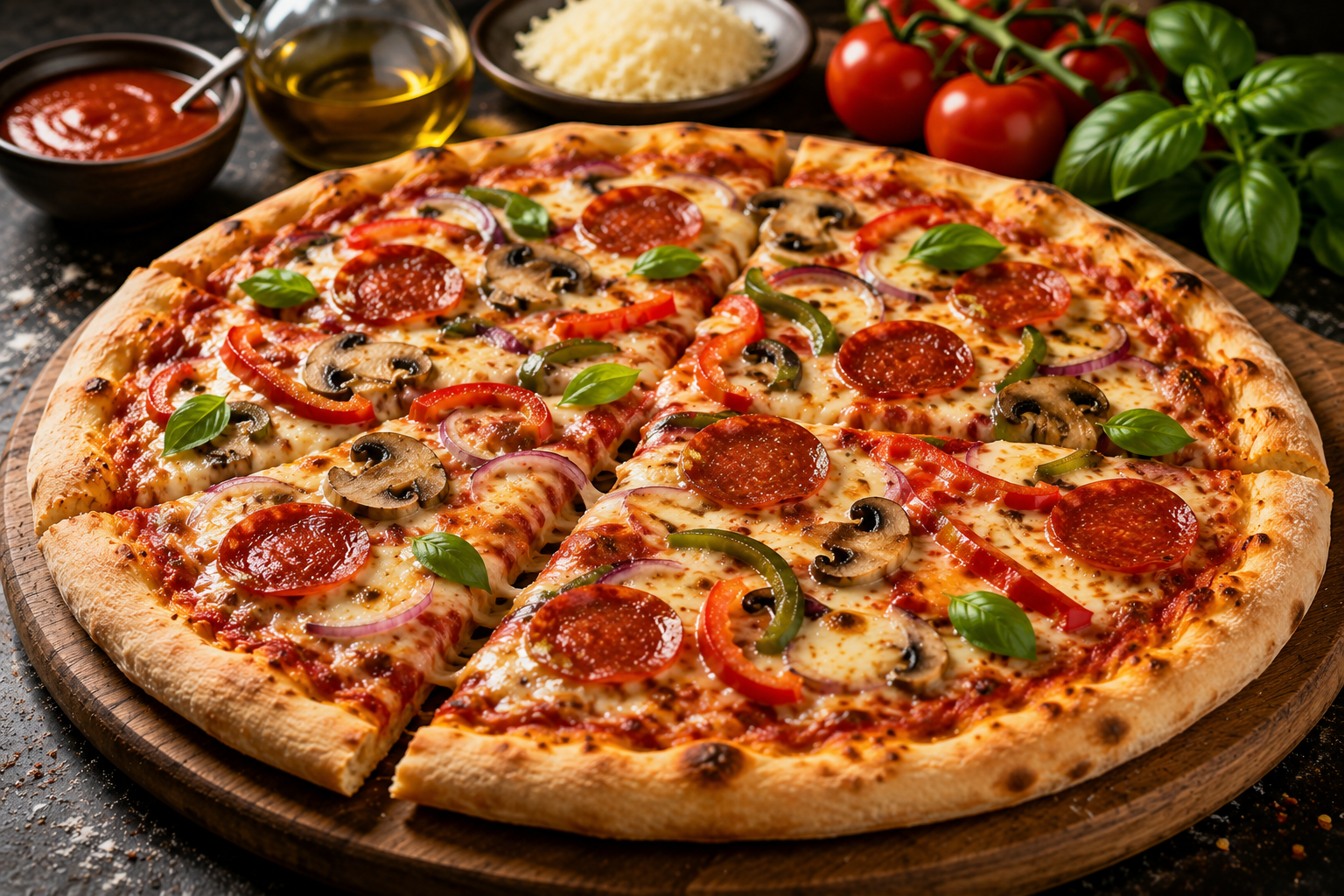
Homemade pizza is a timeless favourite that brings the delicious flavours of a pizzeria straight into your kitchen. With a soft, freshly prepared dough, tangy tomato sauce and melted mozzarella, this recipe creates a golden, cheesy pizza that is easy to customise with your favourite toppings.
The homemade dough forms a satisfying base with a lightly crisp crust and a soft centre. Add pepperoni, mushrooms, bell peppers, onions or fresh basil to create a combination that suits your taste. Whether you prefer a simple cheese pizza or a fully loaded topping selection, the possibilities are endless.
Perfect for family dinners, weekend treats, and casual gatherings, this Homemade Pizza recipe is a fun way to enjoy freshly baked pizza at home. Serve it hot from the oven with a crisp salad or garlic bread for a meal everyone will love.
Extra olive oil or garlic butter, optional, for brushing the crust
Method:
Prepare the dough:
In a large mixing bowl, combine the flour, salt, sugar, and instant yeast.
Add the warm water and olive oil.
Mix until a rough dough forms.
Knead until smooth:
Transfer the dough to a lightly floured surface and knead for approximately 8–10 minutes, until smooth and elastic.
If the dough is very sticky, add a little flour at a time, taking care not to add too much.
Allow the dough to rise:
Place the dough in a lightly oiled bowl and cover with a clean tea towel or cling film.
Leave it in a warm place for about 1 hour, or until roughly doubled in size.
Preheat the oven:
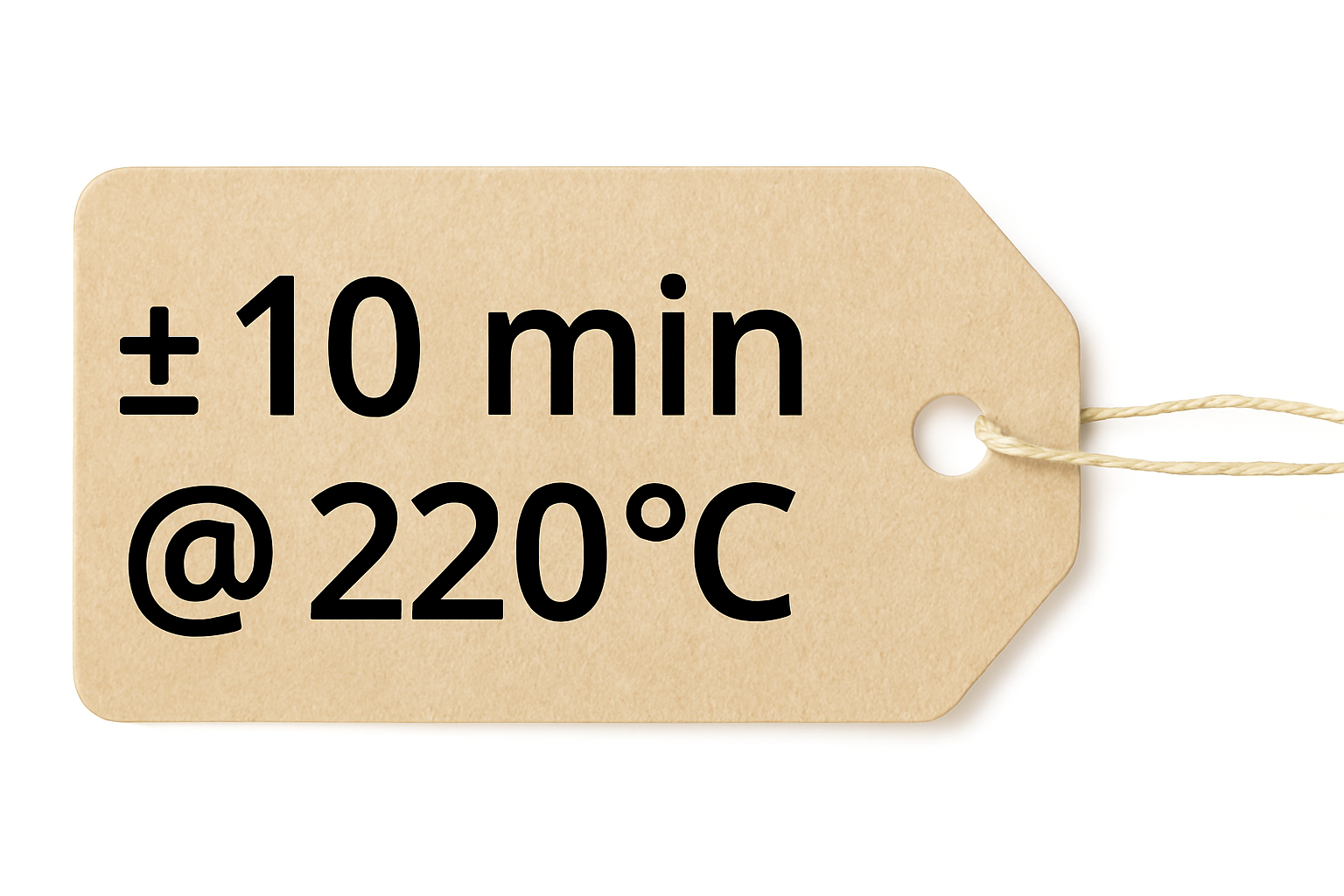
Heat the oven to 220°C.
If you have a pizza stone or heavy baking tray, place it in the oven while it heats to help create a crispier base.
Shape the pizza:
Gently press the air out of the risen dough.
Transfer it to a lightly floured surface and roll or stretch it into a round or rectangle to fit your baking tray.
Transfer the base to baking paper or a lightly oiled pizza tray.
Add the sauce and toppings:
Spread the pizza sauce evenly over the dough, leaving a small border around the edges.
Sprinkle over the mozzarella, then arrange your chosen toppings on top.
Avoid adding too many toppings, as excess moisture can make the base soggy.
Bake the pizza:
Bake for approximately 12–15 minutes, or until the crust is golden and the cheese is melted and bubbling.
The exact cooking time will depend on the thickness of the base and your oven.
Finish and serve:
Remove the pizza from the oven and allow it to rest for 2–3 minutes before slicing.
Add fresh basil leaves or a drizzle of olive oil, if desired.
Serve hot.
✨ Tip: For extra flavor, brush the crust edges with garlic butter before baking. 😊
Why You’ll Love This Recipe
Fresh homemade dough: Enjoy the flavour and texture of pizza made from scratch.
Easy to customise: Choose your favourite cheeses, vegetables and other toppings.
Family-friendly cooking: Everyone can help select toppings or make their own mini pizza.
Simple pantry ingredients: The dough uses everyday baking staples.
Perfect for sharing: Serve slices at family dinners, parties or weekend gatherings.
Versatile and delicious: Create classic Italian-inspired combinations or experiment with your own flavours.
Tips for the Best Homemade Pizza
Use warm, not hot, water: Water that is too hot can damage the yeast. Aim for lukewarm water, around 35–40°C.
Measure the flour carefully: Too much flour can make the dough stiff and difficult to stretch.
Knead properly: Kneading develops the dough’s gluten, helping create a base that is easier to shape.
Give the dough enough time to rise: Allow it to become noticeably larger before shaping.
Preheat the oven thoroughly: A fully heated oven helps the crust cook evenly and develop a golden underside.
Don’t overload the base: Too much sauce, cheese or wet toppings can prevent the centre from cooking properly.
Use a hot baking tray: Preheating a suitable tray or pizza stone can help produce a crisper crust. Take care when transferring the pizza.
Brush the edges with garlic butter: For extra flavour, lightly brush the crust edges with garlic butter after baking.
Let the pizza rest briefly: A couple of minutes makes it easier to slice without immediately losing all the melted cheese.
Storage
Refrigeration: Store leftover pizza in an airtight container or wrap individual slices securely. Refrigerate within 2 hours of cooking and use within 3–4 days.
Freezing: Allow the pizza to cool completely, then wrap individual slices and place them in a freezer-safe container. Freeze for up to 2 months for best quality. Thaw in the refrigerator or reheat directly from frozen, adjusting the cooking time as needed.
Reheating: For a crisp crust, warm slices in a covered skillet over medium-low heat until the base is crisp and the topping is hot. Alternatively, reheat in an oven at 180°C until steaming hot throughout. A microwave is convenient, but the crust will be softer.
Make-ahead tip: Prepare the dough ahead of time and refrigerate it in a covered, lightly oiled bowl. Bring it to room temperature before shaping. You can also prepare the toppings in advance and assemble the pizza just before baking.
This pizza is a culinary canvas—crispy, cheesy, and endlessly adaptable.
Here are dishes and side dishes to serve with it:
🥗 Fresh Complements
Mixed Green Salad: Light, refreshing balance to cheesy pizza.
Caprese Salad: Tomato, mozzarella, basil — a natural pairing.
Garlic Roasted Broccoli: Earthy, crisp contrast.
Antipasto Platter: Olives, cured meats, and marinated veg.
Craft Beer (IPA or Lager): Rustic, casual balance.
Sparkling Water with Lemon: Refreshing, palate-cleansing sip.
Iced Tea with Lemon: Cooling, sweet pairing.
✨ Serving Concepts
Classic Italian Spread: Pizza with salad, breadsticks, and wine.
Casual Game Night: Pizza with antipasto platter and beer.
Rustic Sharing Board: Pizza slices with focaccia and pesto dip.
Modern Fine Dining Plate: Pizza plated with micro herbs and balsamic drizzle.
Here are some fun variations to experiment with for your Homemade Pizza recipe:
Variations
🌿 Flavor Twists
Garlic herb pizza: Brush crust with garlic butter and sprinkle fresh herbs.
Spicy pizza: Add jalapeños, chili flakes, or peri-peri sauce.
Cheesy blend pizza: Mix mozzarella with cheddar, gouda, or blue cheese.
Smoky pizza: Use smoked paprika or add bacon for depth.
🍯 Sweet-Savory Experiments
Honey drizzle pizza: Drizzle honey over pepperoni or prosciutto.
Maple pizza: Add maple syrup with caramelized onions.
Nutty pizza: Sprinkle toasted walnuts or pine nuts.
Fruit pizza: Top with figs, pears, or pineapple for contrast.
🌍 Fusion Ideas
Mexican-style pizza: Add salsa, avocado, and queso fresco.
Greek-inspired pizza: Use feta, olives, and oregano.
Asian-style pizza: Glaze with teriyaki and sprinkle sesame seeds.
South African vibe pizza: Top with chakalaka or peri-peri chicken.
🍽 Serving Ideas
Present on a wooden board with rustic slices.
Offer as part of a family-style spread with dips and salads.
Serve in individual mini pizzas for variety.
Plate with fresh basil, chili curls, or edible flowers for storytelling flair.
Final Thoughts
Homemade Pizza is a delicious way to bring family and friends together over a freshly baked meal. With its soft dough, golden crust, tangy tomato sauce and melted mozzarella, this versatile recipe makes it easy to create a pizza tailored to your taste.
Experiment with classic toppings, try a South African-inspired combination or let everyone make their own mini pizza. Serve it hot with a fresh salad and your favourite sides for a homemade meal that is simple, satisfying and worth making again.
Frequently Asked Questions
Can I make pizza dough without a stand mixer?
Yes. This dough can be mixed and kneaded by hand. Knead on a lightly floured surface for approximately 8–10 minutes until the dough becomes smooth and elastic.
Why didn’t my pizza dough rise?
The water may have been too hot or too cold, the yeast may be inactive, or the room may have been too cool. Check the yeast’s expiry date and allow the covered dough to rise in a comfortably warm place.
How do I get a crispy pizza crust?
Preheat the oven thoroughly, use a hot baking tray or pizza stone if available, and avoid adding too much sauce or wet toppings. A thinner base will generally become crispier than a thick one.
Can I use a different cheese instead of mozzarella?
Yes. Cheddar, Gouda or a combination of cheeses can work well. Mozzarella is particularly popular because it melts smoothly and gives pizza its familiar stretchy texture.
Can I make this recipe without a pizza stone?
Absolutely. A regular baking tray works well. Preheat the tray if it is suitable for this use, and carefully transfer the prepared pizza onto it.
Can I freeze homemade pizza dough?
Yes. After kneading, allow the dough to rise, then divide it into portions and wrap them securely before freezing. Thaw in the refrigerator, allow the dough to come to room temperature, then shape and bake.
How do I prevent a soggy pizza base?
Use a moderate amount of sauce, drain watery toppings such as mushrooms if necessary, and avoid piling on too much cheese or vegetables. Baking in a fully preheated oven also helps the base cook properly.
Essential cookies enable basic functions and are necessary for the proper function of the website.
Name
Description
Duration
Cookie Preferences
This cookie is used to store the user's cookie consent preferences.
30 days
These cookies are needed for adding comments on this website.
Name
Description
Duration
comment_author
Used to track the user across multiple sessions.
Session
comment_author_email
Used to track the user across multiple sessions.
Session
comment_author_url
Used to track the user across multiple sessions.
Session
Google's current Sign in with Google client library. It renders the Google sign-in button, or the One Tap prompt, so visitors can log in to your site with their Google account. It replaces the older Google Sign-In platform library.
Set on your own domain by the Sign in with Google client library. Records whether the visitor has dismissed the One Tap sign-in prompt and for how long it should stay hidden, plus the time the library last loaded and a browsing session id used for the same purpose. Sites that pass a custom state_cookie_name will see that name instead.
180 days
g_csrf_token
Set on your own domain by the Sign in with Google client library and submitted together with the sign-in credential, so your site can confirm the sign-in came from its own page and not from a forged cross-site request.
5 minutes
Statistics cookies collect information anonymously. This information helps us understand how visitors use our website.
Google Analytics is a powerful tool that tracks and analyzes website traffic for informed marketing decisions.
Contains information related to marketing campaigns of the user. These are shared with Google AdWords / Google Ads when the Google Ads and Google Analytics accounts are linked together.
90 days
__utma
ID used to identify users and sessions
2 years after last activity
__utmt
Used to monitor number of Google Analytics server requests
10 minutes
__utmb
Used to distinguish new sessions and visits. This cookie is set when the GA.js javascript library is loaded and there is no existing __utmb cookie. The cookie is updated every time data is sent to the Google Analytics server.
30 minutes after last activity
__utmc
Used only with old Urchin versions of Google Analytics and not with GA.js. Was used to distinguish between new sessions and visits at the end of a session.
End of session (browser)
__utmz
Contains information about the traffic source or campaign that directed user to the website. The cookie is set when the GA.js javascript is loaded and updated when data is sent to the Google Anaytics server
6 months after last activity
__utmv
Contains custom information set by the web developer via the _setCustomVar method in Google Analytics. This cookie is updated every time new data is sent to the Google Analytics server.
2 years after last activity
__utmx
Used to determine whether a user is included in an A / B or Multivariate test.
18 months
_ga
ID used to identify users
2 years
_gali
Used by Google Analytics to determine which links on a page are being clicked
30 seconds
_ga_
ID used to identify users
2 years
_gid
ID used to identify users for 24 hours after last activity
24 hours
_gat
Used to monitor number of Google Analytics server requests when using Google Tag Manager
1 minute
Marketing cookies are used to follow visitors to websites. The intention is to show ads that are relevant and engaging to the individual user.
Google Ads is an online advertising platform that enables businesses to create targeted ads displayed on Google search results and partner sites.
Targeting cookie. Used to create a user profile and display relevant and personalised Google Ads to the user.
2 years
__Secure-1PSIDCC
Targeting cookie. Used to create a user profile and display relevant and personalised Google Ads to the user.
2 years
__Secure-3PAPISID
Profiles the interests of website visitors to serve relevant and personalised ads through retargeting.
2 years
AEC
AEC cookies ensure that requests within a browsing session are made by the user, and not by other sites. These cookies prevent malicious sites from acting on behalf of a user without that user's knowledge.
6 months
ADS_VISITOR_ID
Cookie required to use the options and on-site web services
2 months
__Secure-3PSIDCC
Targeting cookie. Used to create a user profile and display relevant and personalised Google Ads to the user.
2 years
__Secure-3PSIDTS
Targeting cookie. Used to create a user profile and display relevant and personalised Google Ads to the user.
2 years
__Secure-1PSIDTS
Targeting cookie. Used to create a user profile and display relevant and personalised Google Ads to the user.
2 years
__Secure-1PAPISID
Targeting cookie. Used to create a user profile and display relevant and personalised Google Ads to the user.
2 years
__Secure-3PSID
Targeting cookie. Used to profile the interests of website visitors and display relevant and personalised Google ads.
2 years
Conversion
Google uses cookies for advertising, including serving and rendering ads, personalizing ads (depending on your ad settings at g.co/adsettings), limiting the number of times an ad is shown to a user, muting ads you have chosen to stop seeing, and measuring the effectiveness of ads.
90 days
_gcl_aw
Google uses cookies for advertising, including serving and rendering ads, personalizing ads (depending on your ad settings at g.co/adsettings), limiting the number of times an ad is shown to a user, muting ads you have chosen to stop seeing, and measuring the effectiveness of ads.
90 Days
_gcl_gs
Google uses cookies for advertising, including serving and rendering ads, personalizing ads (depending on your ad settings at g.co/adsettings), limiting the number of times an ad is shown to a user, muting ads you have chosen to stop seeing, and measuring the effectiveness of ads.
90 Days
_gcl_gb
Google uses cookies for advertising, including serving and rendering ads, personalizing ads (depending on your ad settings at g.co/adsettings), limiting the number of times an ad is shown to a user, muting ads you have chosen to stop seeing, and measuring the effectiveness of ads.
90 Days
_gac_gb_
Google uses cookies for advertising, including serving and rendering ads, personalizing ads (depending on your ad settings at g.co/adsettings), limiting the number of times an ad is shown to a user, muting ads you have chosen to stop seeing, and measuring the effectiveness of ads.
90 Days
FPGCLGB
Google uses cookies for advertising, including serving and rendering ads, personalizing ads (depending on your ad settings at g.co/adsettings), limiting the number of times an ad is shown to a user, muting ads you have chosen to stop seeing, and measuring the effectiveness of ads.
90 Days
FPGCLAW
Google uses cookies for advertising, including serving and rendering ads, personalizing ads (depending on your ad settings at g.co/adsettings), limiting the number of times an ad is shown to a user, muting ads you have chosen to stop seeing, and measuring the effectiveness of ads.
90 Days
You can find more information in our Cookie Policy and .