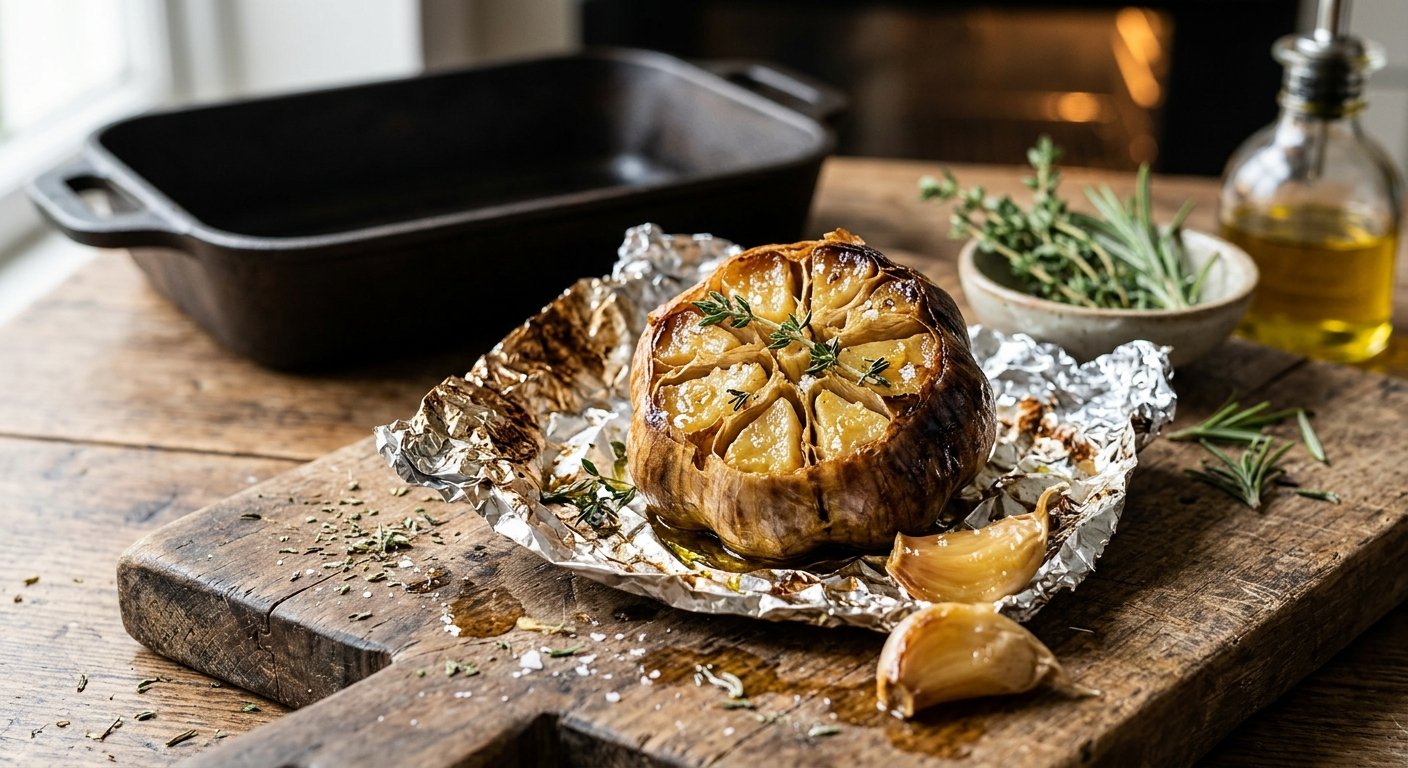
Roasted garlic is a simple way to transform ordinary garlic into something wonderfully rich, mellow and sweet. As the cloves slowly roast in the oven, they soften and develop a golden colour with a buttery texture and a deliciously gentle flavour.
Made with just a whole head of garlic and a drizzle of olive oil, this easy method requires very little preparation. Once roasted, the soft cloves can be squeezed from their skins and mashed into a smooth paste, ready to add depth to countless savoury dishes.
Spread roasted garlic onto warm toast, stir it into mashed potatoes, blend it into sauces and dressings, or use it to make flavourful garlic butter. It is also ideal for preparing ahead when you want to add an extra layer of homemade flavour to everyday meals.
Prepare a small piece of aluminium foil large enough to wrap the garlic securely.
Prepare the garlic:
Remove the loose outer papery layers of the garlic, keeping the head intact so the cloves remain together.
Slice approximately 1 cm from the top to expose the tips of the cloves.
Add the olive oil:
Place the garlic head in the centre of the foil, cut side facing upwards.
Drizzle the olive oil over the exposed cloves, allowing it to seep between them.
Add a little salt or fresh herbs if desired.
Wrap the garlic:
Fold the foil around the garlic head and seal it securely to keep the moisture inside during roasting.
Roast until tender:
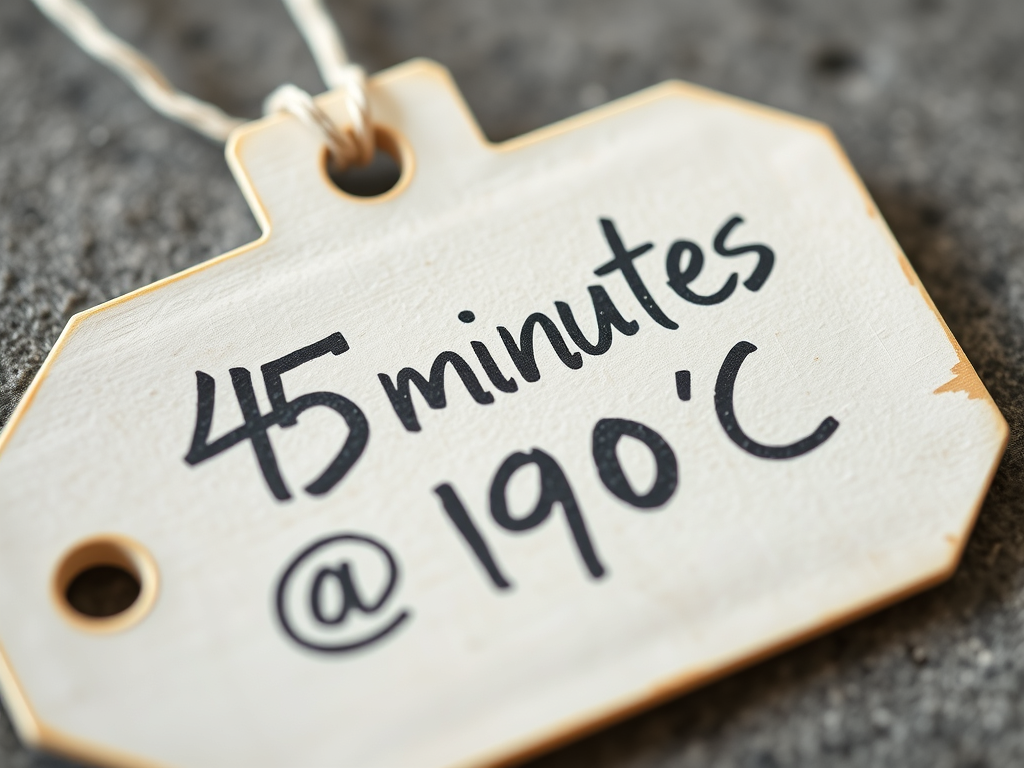
Place the wrapped garlic in a small baking dish and roast for 40–50 minutes, or until the cloves are soft, golden, and easily pierced with a knife.
Larger garlic heads may need a little extra time.
Cool and squeeze:
Carefully remove the garlic from the oven and allow it to cool until comfortable to handle.
Gently squeeze the base of the head to release the soft roasted cloves from their skins.
Mash and serve:
Leave the cloves whole or mash them into a smooth paste, depending on how you plan to use them.
Serve immediately or store safely for later use.
Roasted garlic is soft, caramelized, and spreadable—perfect for mixing into mashed potatoes, sauces, dressings, or simply spreading on toast. This method yields golden cloves with a rich, buttery flavor. 😊
Why You’ll Love This Recipe
Simple ingredients: All you need is garlic, olive oil and a few optional seasonings.
Rich, mellow flavour: Roasting softens the sharpness of raw garlic and brings out its natural sweetness.
Easy preparation: A few minutes of preparation is all it takes before the oven does the work.
Incredibly versatile: Use the cloves in sauces, soups, dressings, spreads and countless savoury dishes.
Great for meal preparation: Roast several garlic heads at once and portion the cloves for future meals.
A Little About Roasted Garlic
Roasting garlic changes its flavour and texture. Raw garlic has a sharp, pungent taste, while slow roasting produces soft, golden cloves with a much milder, sweeter flavour.
The cloves become almost buttery and can easily be mashed into a paste. This makes roasted garlic especially useful in recipes where you want a gentle garlic flavour without the sharpness of freshly chopped garlic.
Tips for the Best Roasted Garlic
Choose fresh garlic: Select firm, plump garlic heads without soft spots or signs of mould.
Keep the head intact: Remove only the loose outer layers and avoid separating the individual cloves before roasting.
Expose the cloves: Cutting a little from the top helps the olive oil reach the garlic and allows the cloves to roast evenly.
Use enough olive oil: A light drizzle is sufficient to coat the exposed cloves without making them greasy.
Roast until completely soft: Cooking times vary depending on the size and freshness of the garlic. Check that the cloves are tender before removing them from the oven.
Allow it to cool: Let the garlic cool sufficiently before squeezing out the cloves.
Roast extra heads: Since the oven is already on, roasting a few heads together is an easy way to prepare a supply for other recipes.
Uses for This Recipe
Roasted garlic is a wonderful kitchen staple that can add depth and flavour to everyday cooking. Once the cloves have been squeezed from their skins, mash them into a paste or leave them whole.
Spread on toast or crackers: Enjoy the soft cloves as a savoury spread with a drizzle of olive oil.
Stir into mashed potatoes: Add roasted garlic with butter and milk or cream for richer, more flavourful potatoes.
Mix into scrambled eggs or omelettes: A little mashed garlic adds a mellow savoury note.
Blend into hummus: Combine with chickpeas, tahini, lemon juice and olive oil for roasted garlic hummus.
Add to pasta sauces: Stir into creamy, tomato-based or olive oil sauces.
Whisk into salad dressings: Mash with lemon juice, vinegar, mustard and olive oil for a flavourful dressing.
Make garlic dip: Mix with plain yoghurt, sour cream or cream cheese.
Enhance soups and stews: Blend into cauliflower, pumpkin or potato soup, or stir into lentil stews.
Make roasted garlic butter: Combine with softened butter, parsley and a pinch of salt.
Add to pizza and sandwiches: Spread a thin layer over pizza bases, toasted sandwiches, or paninis.
Storage and Reheating
Roasted garlic needs careful storage, particularly because it is prepared in oil.
Refrigeration: Remove the cloves from their skins and place them in a clean, airtight container. Refrigerate promptly and use within 3–4 days.
Freezing: For longer storage, freeze the roasted cloves or mashed garlic in small portions in a suitable freezer-safe container. Use within 3 months for best quality.
Thawing: Defrost frozen portions in the refrigerator or add small frozen portions directly to suitable hot dishes.
Reheating: Roasted garlic does not need reheating when used in spreads or dressings. For warm dishes, stir it into the recipe while cooking.
Important food safety note: Do not store homemade roasted garlic submerged in olive oil at room temperature. Garlic preserved in oil can create conditions that allow botulism-causing bacteria to grow. Keep it refrigerated and use within 3–4 days, or freeze it for longer storage.
Roasted garlic is a flavor powerhouse—sweet, mellow, and deeply aromatic.
What to Serve with Roasted Garlic
Roasted garlic complements a wide variety of dishes, from comforting sides to elegant appetisers and main meals.
Creamy mashed potatoes: Stir the roasted cloves into warm potatoes with butter and cream.
Crusty bread or crostini: Serve as a spread alongside fresh bread, crackers, or toasted baguette slices.
Grilled steak: Roasted garlic butter makes a delicious topping for grilled or pan-seared steak.
Roast chicken: Add roasted garlic to the pan juices or serve alongside the chicken.
Grilled and roasted vegetables: Toss carrots, courgettes, peppers or mushrooms with mashed roasted garlic and olive oil.
Mushroom risotto: Stir into a creamy mushroom or Parmesan risotto for extra depth.
Green beans and sautéed spinach: Add a little garlic paste to warm vegetables just before serving.
Cheese boards: Pair with Brie, Camembert or goat’s cheese, along with olives, nuts and crackers.
Creamy soups: Blend into cauliflower, pumpkin or potato soup for a mellow garlic flavour.
Here are some fun variations to experiment with for your Roasted Garlic recipe:
Variations
🧄 Flavor Twists
Spicy Kick: Add a pinch of chili flakes or drizzle with chili oil before roasting.
Citrus Zest: Sprinkle lemon or orange zest over the garlic before wrapping for a bright, aromatic lift.
Smoky Depth: Use smoked paprika or a touch of liquid smoke to infuse a campfire vibe.
Miso Magic: Dab a bit of white miso paste on top for umami-rich roasted cloves.
🌿 Herb and Infusion Variations
Herb-Infused Oil: Use rosemary- or thyme-infused olive oil for deeper herbal notes.
Bay Leaf Wrap: Tuck a bay leaf inside the foil for subtle earthy undertones.
Garlic Bouquet: Roast multiple heads with sprigs of fresh herbs like sage, oregano, or marjoram for a fragrant centerpiece.
🍋 Presentation Play
Mini Garlic Bouquets: Slice several heads horizontally and roast them upright in a muffin tin—perfect for serving whole.
Garlic Rose: After roasting, fan out the cloves in a spiral and drizzle with balsamic glaze for a plated “garlic flower.”
Charred Finish: Unwrap for the last 5 minutes and broil briefly for caramelized edges and visual drama.
🍞 Spreadable Mix-Ins
Roasted Garlic Butter: Mash with softened butter, sea salt, and parsley—pipe into rosettes or roll into logs.
Garlic & Goat Cheese Whip: Blend with creamy goat cheese and a splash of cream for a tangy spread.
Sweet & Savory Jam: Mix with fig preserves or date paste for a toast topper with depth.
Final Thoughts
Roasted garlic is one of those simple kitchen preparations that can make an ordinary meal feel special. With just a little olive oil and time in the oven, firm garlic cloves become soft, golden, and wonderfully sweet.
Use it to enrich mashed potatoes, add depth to soups and sauces, prepare homemade garlic butter or spread it over warm crusty bread. Once you have a batch ready, you will find countless ways to enjoy its mellow, buttery flavour.
Frequently Asked Questions
Why does roasted garlic taste sweeter than raw garlic?
Roasting softens garlic’s sharp, pungent flavour and develops a sweeter, more mellow taste. The cloves also become soft and buttery, making them easy to spread or mash.
How do I know when the garlic is ready?
The cloves should be golden, soft and tender. A small knife should slide easily into the centre of a clove without resistance. If they are still firm, return the garlic to the oven for another 5–10 minutes.
Can I roast more than one head of garlic at a time?
Absolutely. Wrap each head separately in foil and place them together in a baking dish. The cooking time should be similar, although particularly large heads may need longer.
Can I make roasted garlic without aluminium foil?
Yes. Place the prepared garlic in a small ovenproof dish, drizzle with olive oil and cover with an oven-safe lid. You can also use a small covered baking dish designed for roasting garlic.
Can I use roasted garlic instead of fresh garlic?
Yes, although the flavour is much milder. Roasted garlic works particularly well in sauces, soups, dips and spreads. You may need to use more roasted cloves than you would raw garlic to achieve the same depth of flavour.
Can I freeze roasted garlic?
Yes. Remove the cloves from their skins and freeze them in small portions in an airtight freezer-safe container. This makes it easy to add roasted garlic to recipes whenever needed.
Can I store roasted garlic in olive oil?
For food safety, do not keep homemade garlic submerged in oil at room temperature. Refrigerate promptly and use within 3–4 days, or freeze it for longer storage.
Essential cookies enable basic functions and are necessary for the proper function of the website.
Name
Description
Duration
Cookie Preferences
This cookie is used to store the user's cookie consent preferences.
30 days
These cookies are needed for adding comments on this website.
Name
Description
Duration
comment_author
Used to track the user across multiple sessions.
Session
comment_author_email
Used to track the user across multiple sessions.
Session
comment_author_url
Used to track the user across multiple sessions.
Session
Google's current Sign in with Google client library. It renders the Google sign-in button, or the One Tap prompt, so visitors can log in to your site with their Google account. It replaces the older Google Sign-In platform library.
Set on your own domain by the Sign in with Google client library. Records whether the visitor has dismissed the One Tap sign-in prompt and for how long it should stay hidden, plus the time the library last loaded and a browsing session id used for the same purpose. Sites that pass a custom state_cookie_name will see that name instead.
180 days
g_csrf_token
Set on your own domain by the Sign in with Google client library and submitted together with the sign-in credential, so your site can confirm the sign-in came from its own page and not from a forged cross-site request.
5 minutes
Statistics cookies collect information anonymously. This information helps us understand how visitors use our website.
Google Analytics is a powerful tool that tracks and analyzes website traffic for informed marketing decisions.
Contains information related to marketing campaigns of the user. These are shared with Google AdWords / Google Ads when the Google Ads and Google Analytics accounts are linked together.
90 days
__utma
ID used to identify users and sessions
2 years after last activity
__utmt
Used to monitor number of Google Analytics server requests
10 minutes
__utmb
Used to distinguish new sessions and visits. This cookie is set when the GA.js javascript library is loaded and there is no existing __utmb cookie. The cookie is updated every time data is sent to the Google Analytics server.
30 minutes after last activity
__utmc
Used only with old Urchin versions of Google Analytics and not with GA.js. Was used to distinguish between new sessions and visits at the end of a session.
End of session (browser)
__utmz
Contains information about the traffic source or campaign that directed user to the website. The cookie is set when the GA.js javascript is loaded and updated when data is sent to the Google Anaytics server
6 months after last activity
__utmv
Contains custom information set by the web developer via the _setCustomVar method in Google Analytics. This cookie is updated every time new data is sent to the Google Analytics server.
2 years after last activity
__utmx
Used to determine whether a user is included in an A / B or Multivariate test.
18 months
_ga
ID used to identify users
2 years
_gali
Used by Google Analytics to determine which links on a page are being clicked
30 seconds
_ga_
ID used to identify users
2 years
_gid
ID used to identify users for 24 hours after last activity
24 hours
_gat
Used to monitor number of Google Analytics server requests when using Google Tag Manager
1 minute
Marketing cookies are used to follow visitors to websites. The intention is to show ads that are relevant and engaging to the individual user.
Google Ads is an online advertising platform that enables businesses to create targeted ads displayed on Google search results and partner sites.
Targeting cookie. Used to create a user profile and display relevant and personalised Google Ads to the user.
2 years
__Secure-1PSIDCC
Targeting cookie. Used to create a user profile and display relevant and personalised Google Ads to the user.
2 years
__Secure-3PAPISID
Profiles the interests of website visitors to serve relevant and personalised ads through retargeting.
2 years
AEC
AEC cookies ensure that requests within a browsing session are made by the user, and not by other sites. These cookies prevent malicious sites from acting on behalf of a user without that user's knowledge.
6 months
ADS_VISITOR_ID
Cookie required to use the options and on-site web services
2 months
__Secure-3PSIDCC
Targeting cookie. Used to create a user profile and display relevant and personalised Google Ads to the user.
2 years
__Secure-3PSIDTS
Targeting cookie. Used to create a user profile and display relevant and personalised Google Ads to the user.
2 years
__Secure-1PSIDTS
Targeting cookie. Used to create a user profile and display relevant and personalised Google Ads to the user.
2 years
__Secure-1PAPISID
Targeting cookie. Used to create a user profile and display relevant and personalised Google Ads to the user.
2 years
__Secure-3PSID
Targeting cookie. Used to profile the interests of website visitors and display relevant and personalised Google ads.
2 years
Conversion
Google uses cookies for advertising, including serving and rendering ads, personalizing ads (depending on your ad settings at g.co/adsettings), limiting the number of times an ad is shown to a user, muting ads you have chosen to stop seeing, and measuring the effectiveness of ads.
90 days
_gcl_aw
Google uses cookies for advertising, including serving and rendering ads, personalizing ads (depending on your ad settings at g.co/adsettings), limiting the number of times an ad is shown to a user, muting ads you have chosen to stop seeing, and measuring the effectiveness of ads.
90 Days
_gcl_gs
Google uses cookies for advertising, including serving and rendering ads, personalizing ads (depending on your ad settings at g.co/adsettings), limiting the number of times an ad is shown to a user, muting ads you have chosen to stop seeing, and measuring the effectiveness of ads.
90 Days
_gcl_gb
Google uses cookies for advertising, including serving and rendering ads, personalizing ads (depending on your ad settings at g.co/adsettings), limiting the number of times an ad is shown to a user, muting ads you have chosen to stop seeing, and measuring the effectiveness of ads.
90 Days
_gac_gb_
Google uses cookies for advertising, including serving and rendering ads, personalizing ads (depending on your ad settings at g.co/adsettings), limiting the number of times an ad is shown to a user, muting ads you have chosen to stop seeing, and measuring the effectiveness of ads.
90 Days
FPGCLGB
Google uses cookies for advertising, including serving and rendering ads, personalizing ads (depending on your ad settings at g.co/adsettings), limiting the number of times an ad is shown to a user, muting ads you have chosen to stop seeing, and measuring the effectiveness of ads.
90 Days
FPGCLAW
Google uses cookies for advertising, including serving and rendering ads, personalizing ads (depending on your ad settings at g.co/adsettings), limiting the number of times an ad is shown to a user, muting ads you have chosen to stop seeing, and measuring the effectiveness of ads.
90 Days
You can find more information in our Cookie Policy and .